01
Research
Documenting animal behavior, culture, and the ecological conditions essential to wildlife survival.
Science · Conservation · Compassion
Researching the lives of animals—and turning what we learn into lasting protection for the wild world we share.
Every animal has a life beyond the label.
Our purpose
01
The InterSpecies Foundation is a nonprofit organization dedicated to scientific research, wildlife conservation, animal protection, and environmental education.
We study animals in natural and captive environments, document the threats they face, and advocate for responses that honor their biological, behavioral, social, and environmental needs.
Founded in 1976 through pioneering humpback whale research in Southeast Alaska.
The complete statement
Founded in 1976, The InterSpecies Foundation (formerly Intersea Foundation) is a nonprofit organization dedicated to scientific research, wildlife conservation, animal protection, and environmental education.
The Foundation was established through pioneering research on marine mammals, with an initial focus on cooperative feeding behavior in humpback whales in Southeast Alaska. Founder Cynthia D’Vincent documented cooperative feeding and the summer feeding song of humpback whales, establishing a long-term research program incorporating individual identification, photography, cinematography, videography, and acoustic recording. The Foundation subsequently expanded its research to terrestrial ecosystems, including the Amazonian rainforest and other rainforest environments. This work has examined wildlife behavior, species interactions, habitat, and the ecological conditions essential to the survival of diverse animal populations, including jaguars, buff-headed capuchin monkeys, and howler monkeys.
Today, The InterSpecies Foundation conducts and supports research and conservation programs addressing marine and terrestrial wildlife, rainforest ecosystems, and the protection of animals in both natural and captive environments. Particular emphasis is placed on documenting wildlife, identifying threats to species and habitats, and applying scientific knowledge to conservation and animal-protection efforts.
A significant area of the Foundation’s recent work is the research and investigation of the captive exotic animal trade. This includes examining the capture, breeding, transport, trafficking, sale, and private ownership of wild and exotic animals. The Foundation seeks to document the effects of these practices on individual animals, wild populations, and conservation, with particular attention to animal welfare, natural behavior, social requirements, and the consequences of removing wildlife from its native environment.
Animal protection is an integral part of the Foundation’s mission. The organization supports the humane treatment of animals and the recognition of their biological, behavioral, and environmental needs. Through research, documentation, education, and conservation initiatives, the Foundation works to improve understanding of the conditions that affect animal welfare and the long-term survival of wildlife populations.
Eve D’Vincent serves as Director, researcher, and conservation advocate, carrying forward the Foundation’s established tradition of field research while directing its broader work in wildlife conservation, animal protection, and investigation of the captive exotic animal trade.
What we do
Documenting animal behavior, culture, and the ecological conditions essential to wildlife survival.
Investigating wildlife trafficking, captive breeding, and the commercial exploitation of wild animals.
Turning scientific understanding into humane education and meaningful action for animals.
A closer look at captivity
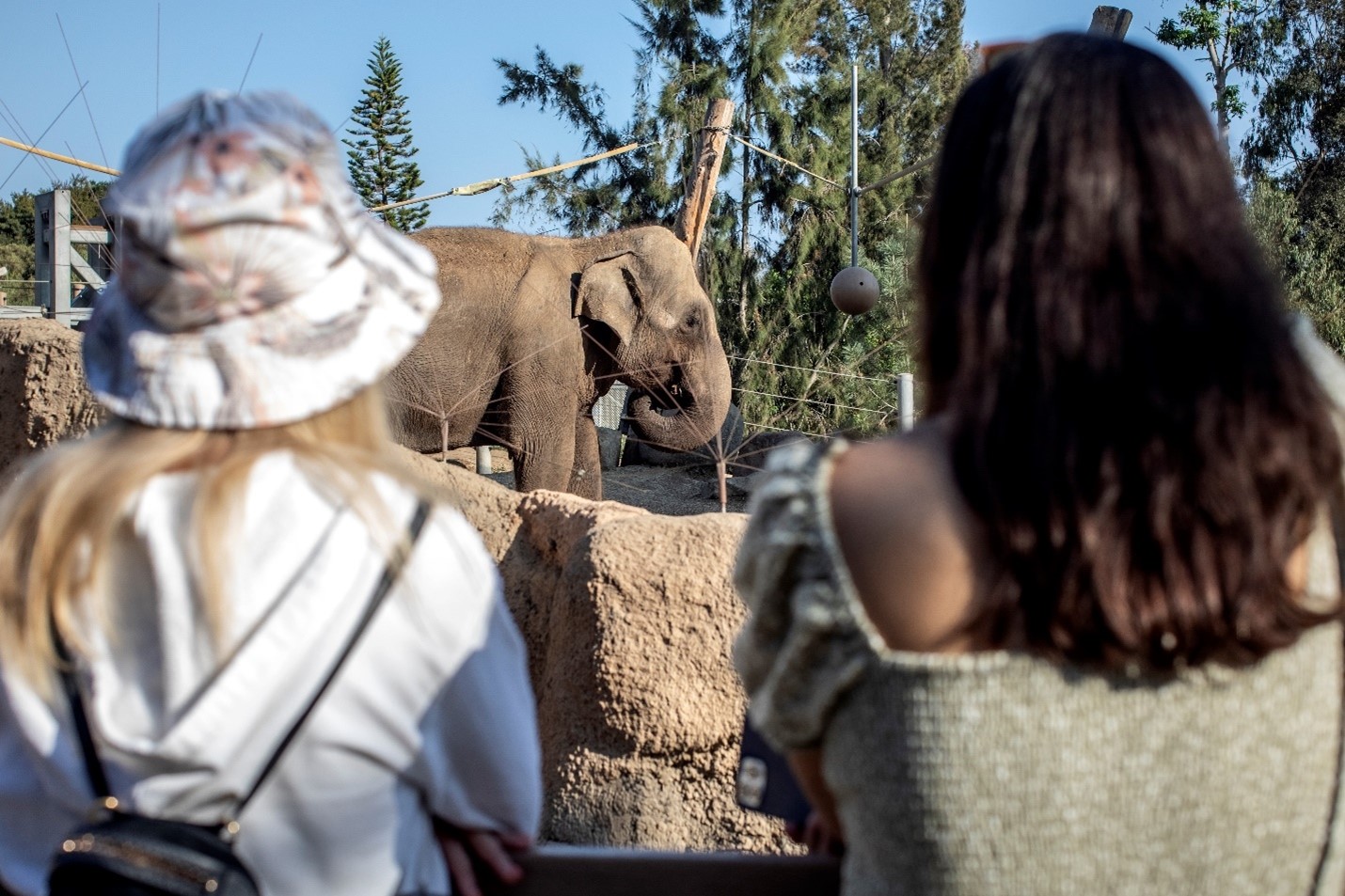
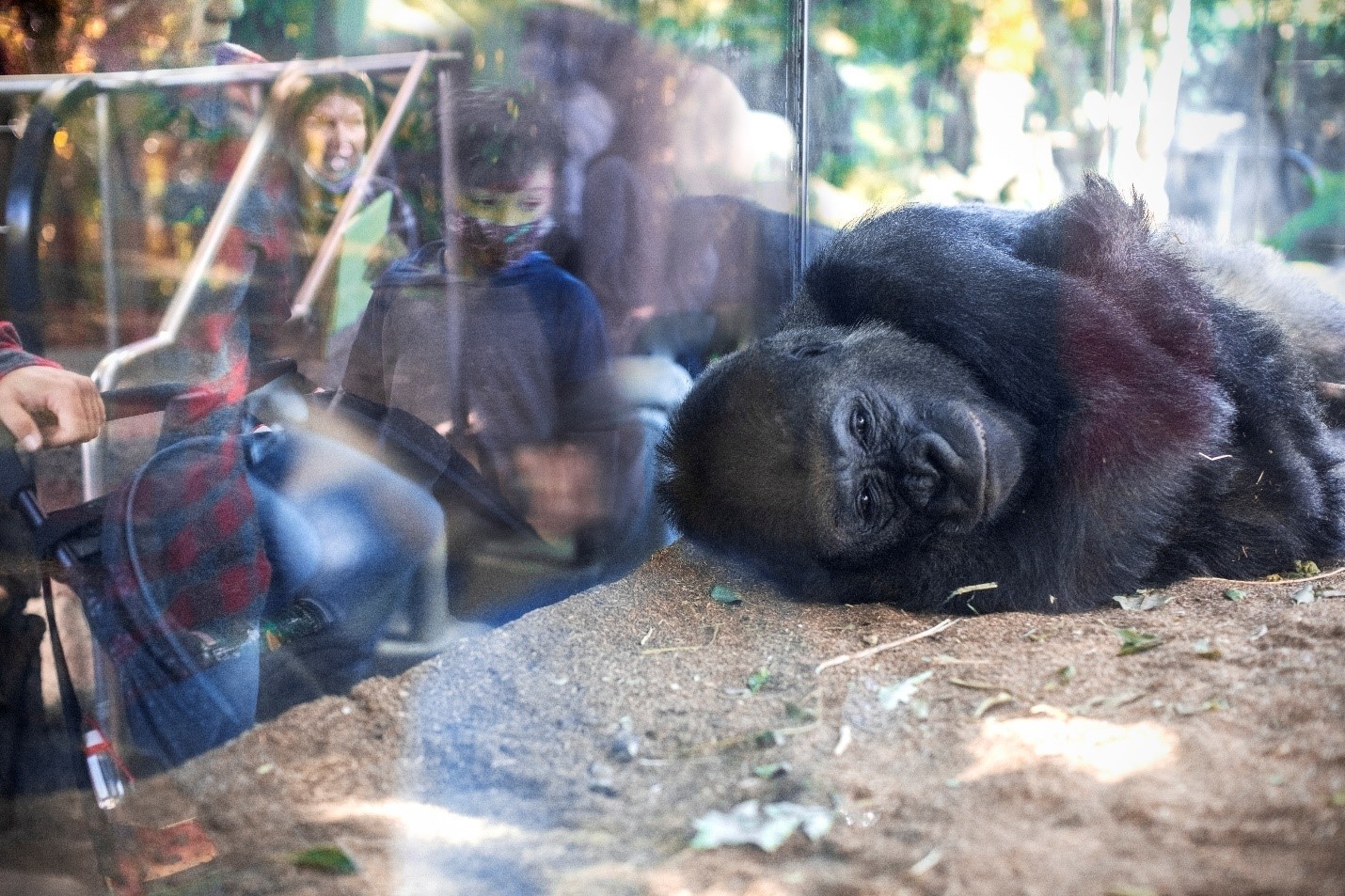
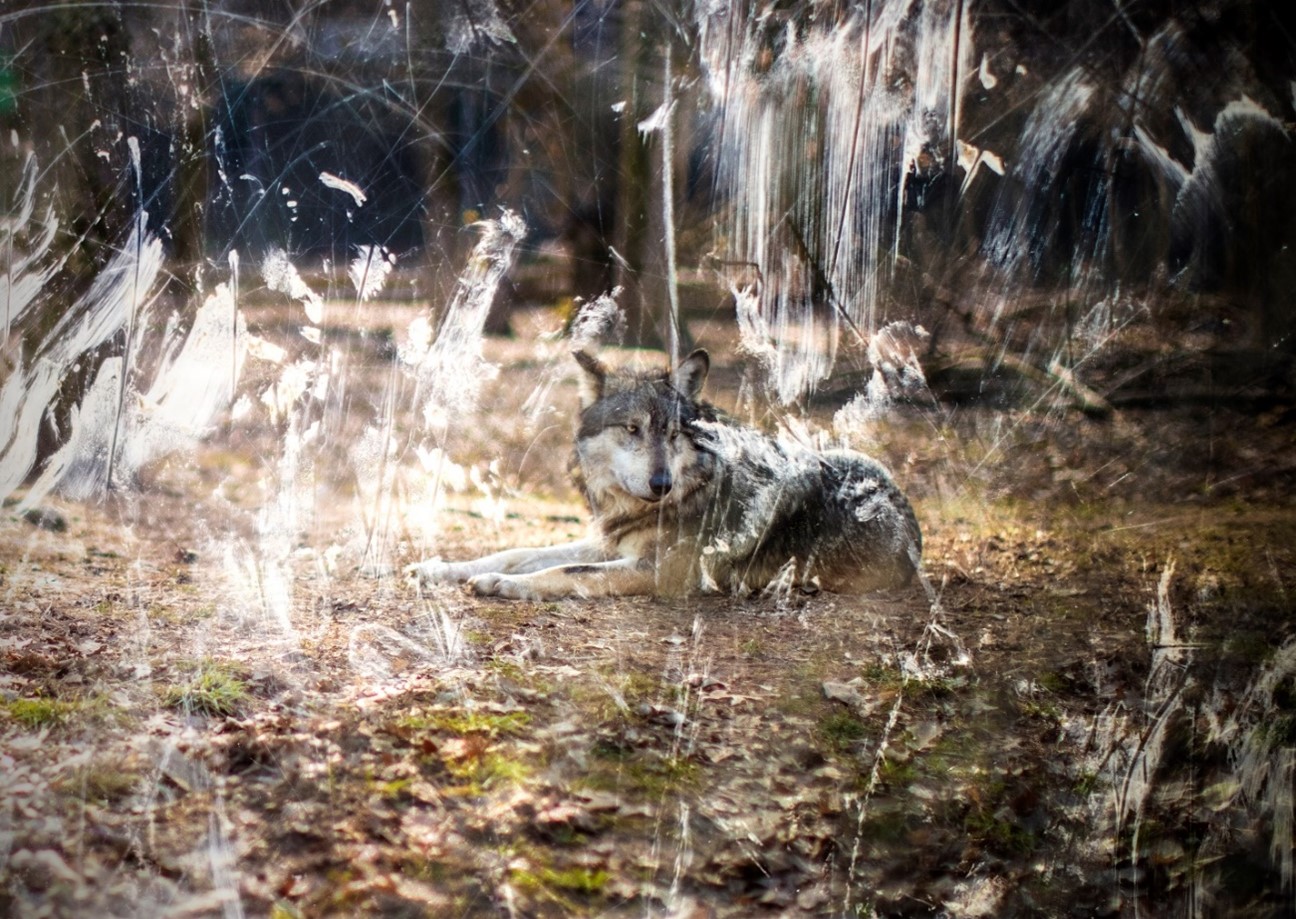
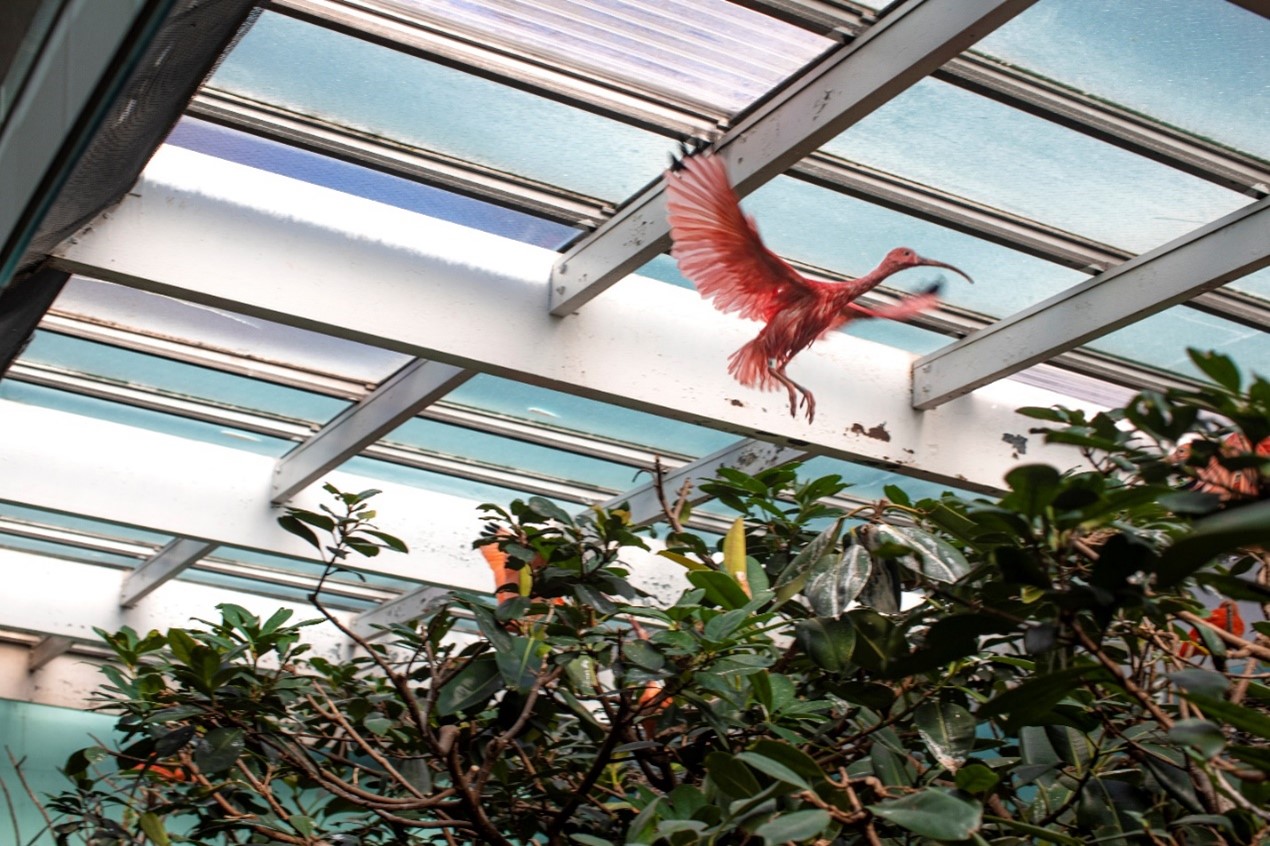
Dr. Eve D’Vincent challenges the familiar idea of zoo animals as “ambassadors” for their species. Drawing on animal behavior, transspecies psychology, and critical animal studies, the book asks us to encounter captive animals as unique individuals with histories, cultures, and intrinsic value.
Discover the book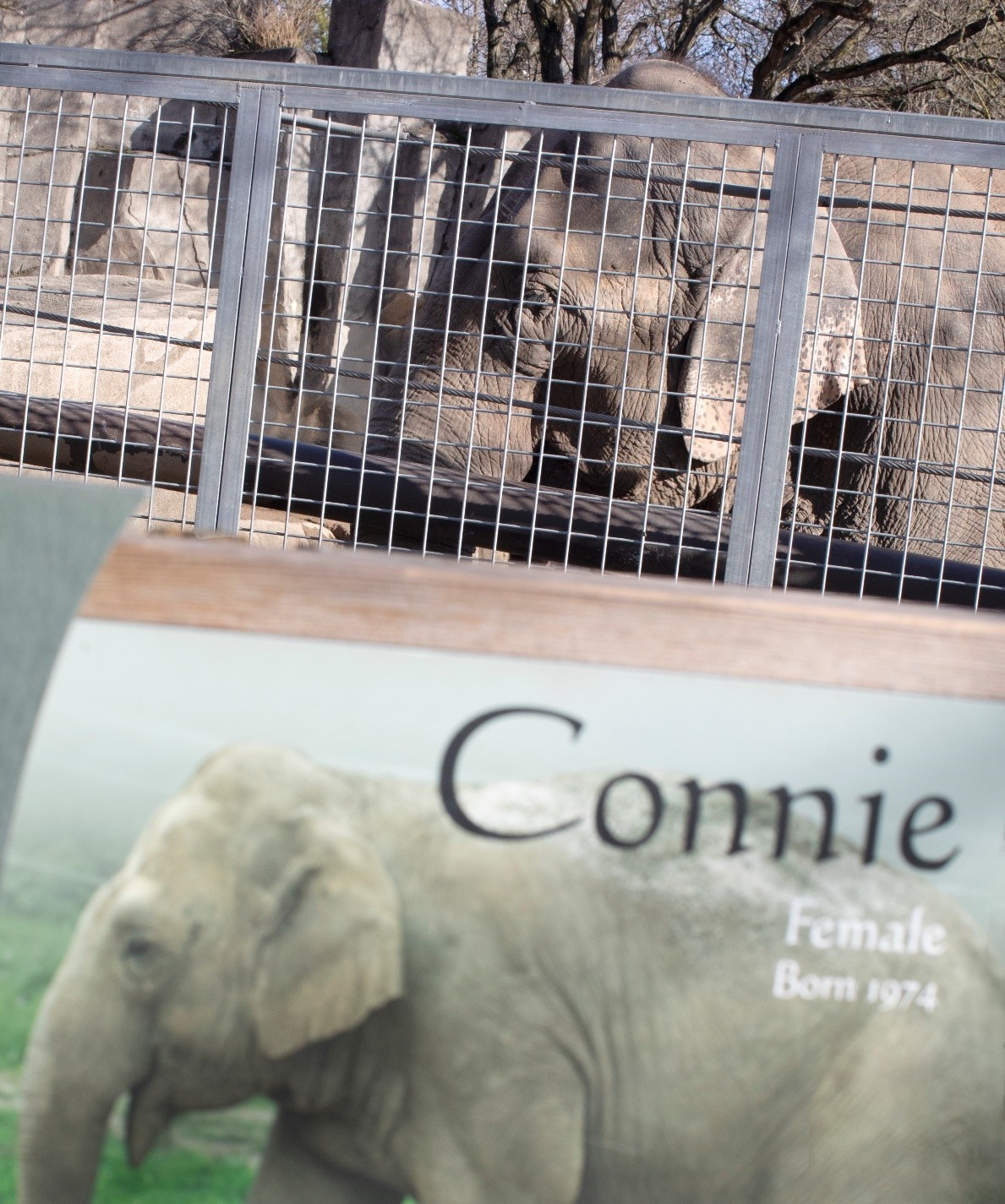
Our story
InterSpecies began with founder Cynthia D’Vincent’s documentation of cooperative feeding and summer feeding song among humpback whales. The research grew from Southeast Alaska to rainforest ecosystems and now encompasses urgent questions about captivity, wildlife trade, conservation, and care.
Help shape what comes next
Your support can help expand research and public education, advance investigations into the exotic animal trade, and build a safe sanctuary where rescued animals can receive compassionate care, veterinary treatment, and rehabilitation.
Start a conversation